





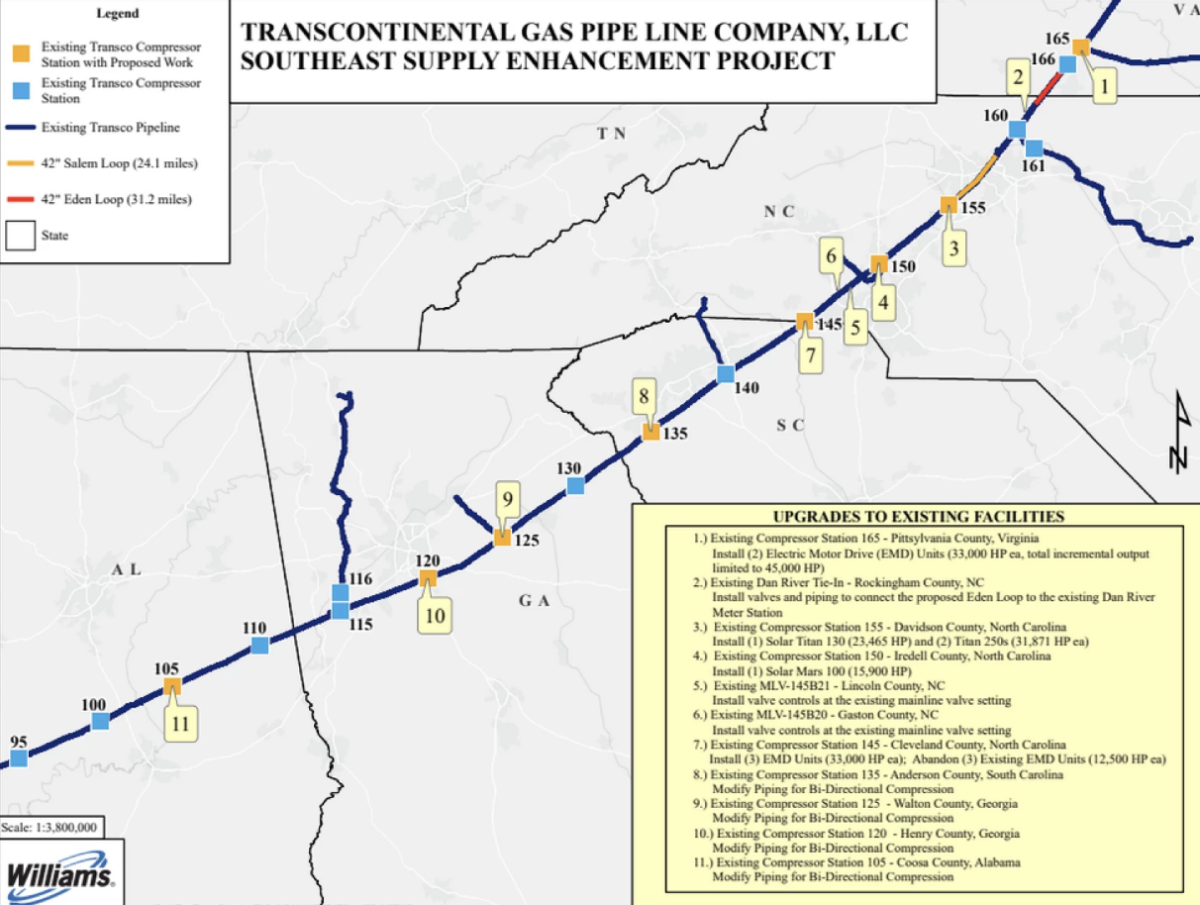






While concerns over the construction of the SSEP pipeline pervade the minds of folks in the Triad, a new problem has arisen for residents of Stokes County and Rural Hall. Two data centers have been proposed, one in Stokes County, the other in Northern Forsyth County in Rural Hall. Community members are having mixed reactions.
The rise in data centers across the nation is seen as a way to fuel the genesis of Artificial Intelligence that is sweeping the world. In recent months, communities in Virginia have grown concerned over the influx of data centers being constructed in their backyards. According to a March 2026 Politico article by Ariel Wittenberg titled, “A data center opened next door. Then came the high-pitched whine,” data centers are an up and coming pollution concern for rural communities. Along with the sheer annoying volume that protrudes from data centers, high levels of air pollution are often associated with the data centers from the soot that is released by high powered generators. According to Wittenberg, this soot can cause respiratory and cardiovascular health problems.
According to a dedicated webpage on Clean Water for NC’s website, the proposed Artificial Intelligence (AI) data center complex in Stokes County, called “Project Delta,” has been approved. Proposed by Engineered Land Solutions, Project Delta would be built on land that, according to Clean Water for NC, is seen as “culturally relevant to the Occaneechi Band of the Saponi Nation.” The data center would be built along the Dan River, raising concerns for further polluting the river, which was victim to a coal ash spill back in 2014 at the hands of Duke Energy. As of February, Duke Energy has agreed to pay $3 million in cleanup costs for the environmental impact left in the Dan River as a result of the coal ash spill, according to a 2026 page on the United States Environmental Protection Agency’s website. Additionally, according to Clean Water for NC, data centers do not bring many employment opportunities to the communities where they are built, and will actually increase resident’s electricity bills.
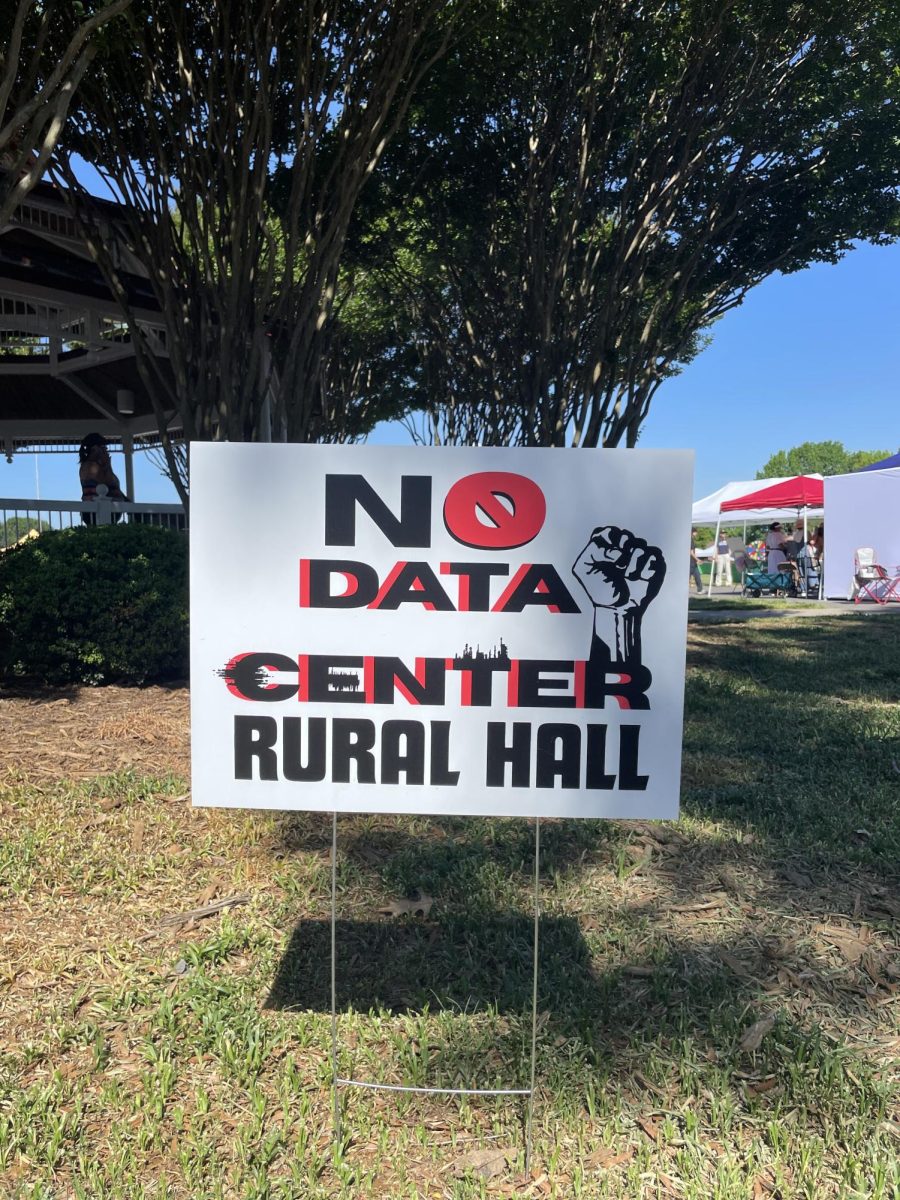
Twenty minutes north of Winston-Salem, in the city of Rural Hall, which has a population of a little over 3,000, similar concerns are arising as a data center has been proposed to be built in the center of town. According to an April WFMY news article by Nixon Norman and Jeremy Vernon titled “‘Biggest Mess Rural Hall Has Ever Seen’: Residents voice concerns about data center at town hall meeting,” the proposed data center would consist of four separate buildings across 1,800 acres in the center of Rural Hall. While the data center proposed in Rural Hall is not a specific AI data center, community members are still uncertain about its prospects.
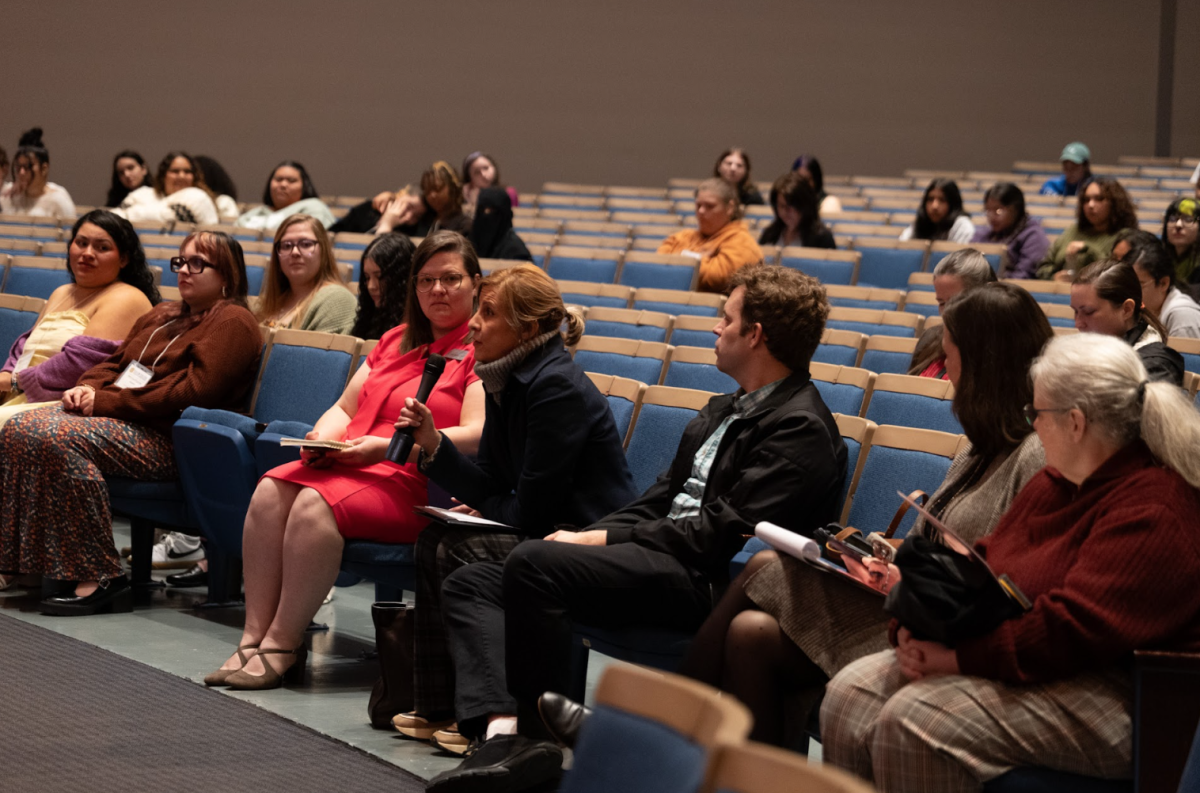
According to Norman and Vernon, on April 1, over 100 residents of Rural Hall packed a Town Hall meeting to express their concerns about the construction of the proposed data center. Residents are not only concerned about the noise that will come from the data center, which is proposed to sit directly across the street from Town Hall, but also the possible environmental impacts.
This proposal also comes at a time in Forsyth County where folks are feeling frustrated with the rising costs of electricity bills at the hands of Duke Energy. According to a March WXII12 article by Faith Wolpert titled “Duke Energy seeks 18% rate increase; North Carolina hearing set for April 1,” residents of Forsyth County have been appalled by the sudden increase in their power bills, some bills increasing by hundreds of dollars.
I spoke with a Rural Hall resident and Current Events writer here at The Salemite, Stella Bovender, about her opinions on the proposed data center in her hometown.
Bovender is a third-generation resident of Rural Hall and lives in a house her grandfather built, the same one her mother grew up in. Bovender attended the April 1 town hall held by Rural Hall’s mayor, Terry Bennett, and was witness to her neighbor’s concerns regarding the proposed data center. According to Bovender, Michael Fess, a representative with the company proposing to build the data center, was there at the Town Hall meeting “to sell it.” Many Rural Hall residents were not convinced.
Bovender noted that her neighbors were concerned about the data center for several reasons, including noise, high utility bill costs to keep it running, and environmental concerns about native species being impacted by construction. When asked her opinion on the matter, Bovender remarked that the data center is “a very sad reality.” Bovender described Rural Hall as “quaint,” “tiny,” and “very caring.” Bovender worries the data center will bring disruption to her hometown, as well as change the landscape and historical feel of downtown.
As of now, it remains unclear when construction will begin on the data center in Rural Hall, and if the proposal will even be approved. According to Bovender, it is highly likely that it will be approved. The Salemite will continue to report on this issue as there are more developments.