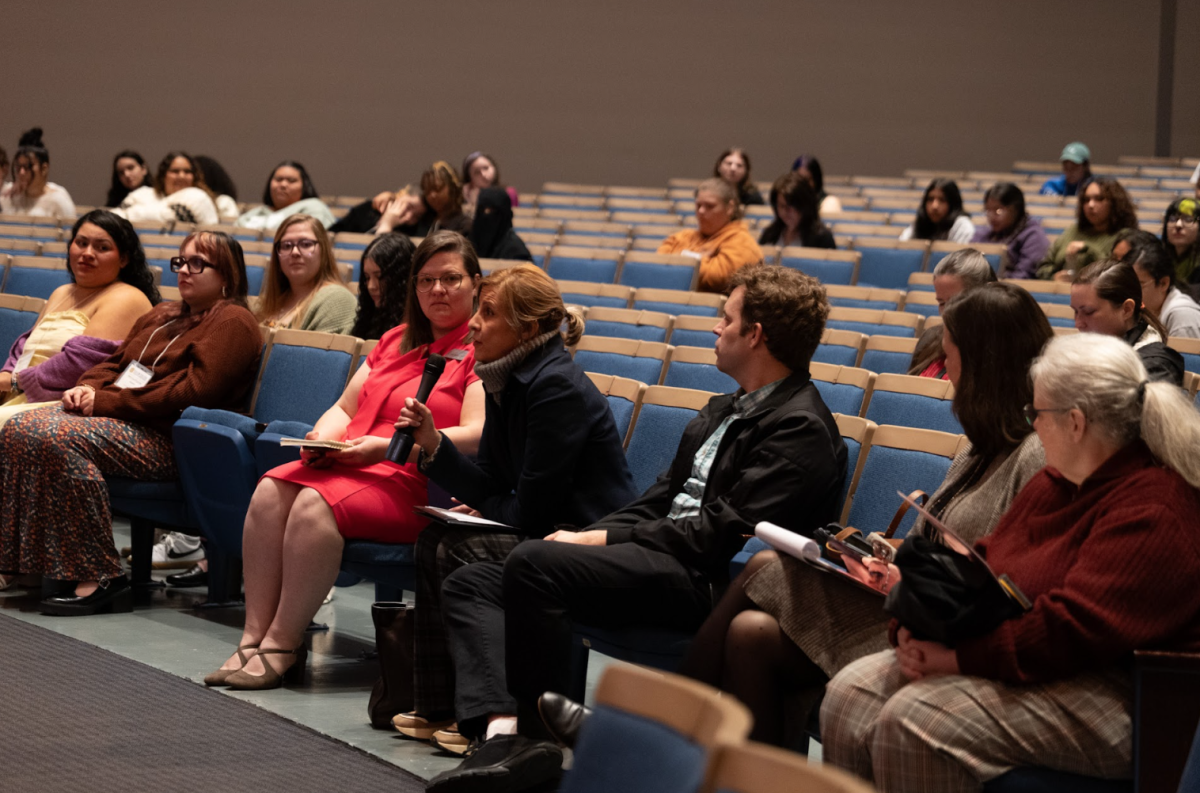






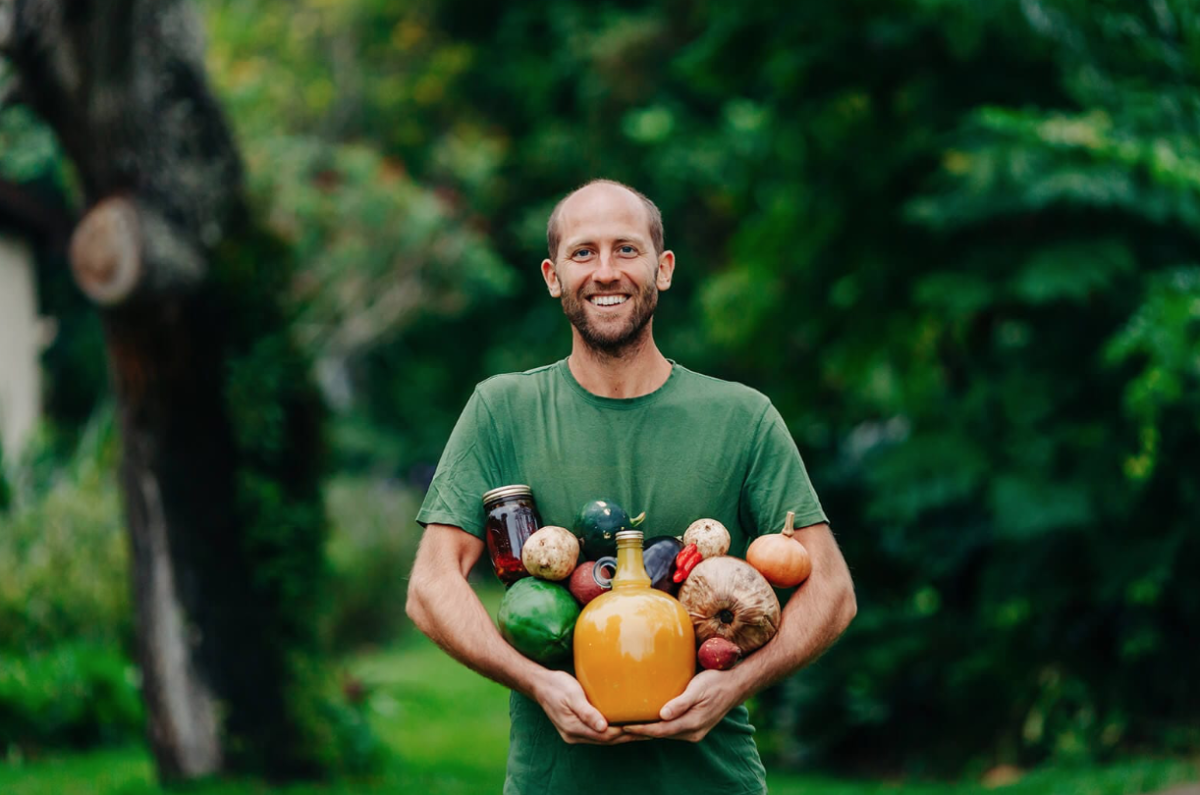






On the afternoon of March 15, environmental activist and author Robin Greenfield spoke to a crowd of approximately fifty people, all gathered along the South Yadkin River at Cooleemee Falls in Woodleaf, North Carolina. His three-hour event, titled “A Year of Foraging,” brought together individuals from all walks of life, with an interest in living more sustainably and reconnecting with nature.
Based on information found on his personal website, Greenfield was born and raised in Wisconsin, where he grew up surrounded by nature. In the 6th grade, he joined Boy Scouts and developed an appreciation for the outdoors through his monthly camping trips with his troop. But as he grew up, his path began to shift. He pursued a career in sales, started his own marketing company called The Greenfield Group, and set an ambitious goal of becoming a millionaire by the age of 30. Although he had earned a bachelor’s degree in biology, it wasn’t until later in life, while he was living in San Diego, that he came to recognize the environmental impact of his everyday choices. The cleaning chemicals he washed down the drain, the plastic packaging he purchased his fast food in, and the emissions from the car he drove to get around, were slowly killing the very planet he had grown up loving. This realization pushed him to leave his career in sales and completely rethink the way he was living. Since then, he has taken on multiple projects aimed at reducing his environmental impact and showing others how they can do the same.
At the event, Greenfield discussed his current project, in which he is spending an entire year foraging 100% of his food and medicine from the wild. He has avoided all grocery stores, restaurants, and pharmacies, relying solely on natural resources that he has gathered from the environment. His diet consists of stinging nettle, applesauce, yams, blueberries, mushrooms, acorns, onions, pecans, chestnuts, fish, and even roadkill. Much of the meat he consumes is venison, which is a huge source of his protein. He explained that he carefully inspects the meat beforehand to ensure it is safe to eat. The only sugar he consumes comes from fruit, honey, and on the rare occasion, maple syrup. His purpose, he said, is to show others that there is an alternative way of living. Learning to identify plants and their properties, he explained, can “take you from being a muggle in your community to being Harry Potter”.
Greenfield is well known for his unconventional activism. In previous projects, he has lived without money, relying solely on the generosity of others, and has walked around New York City covered in trash to draw attention to food waste in America. He describes his activism as being very “visual,” and “easy to approach”.
Most of his work now focuses on food and what people can do to minimize their impact on the Earth. Throughout the talk, Greenfield encouraged attendees to think about how everyday choices affect our environment. One example he gave was the amount of land and water that goes into having a lawn in the United States. “Grass is the most irrigated crop in our country,” he said, asking the audience to imagine how different their communities might look if those lawns were replaced with gardens. At the event, he had copies of his new book “Food Freedom,” available for attendees. The book selling operates off of a gift economy, where people can donate whatever amount they feel called to give. Greenfield believes that money should never be a barrier to accessing information. According to event organizers, all profits collected will go towards supporting Indigenous and Black-led food sovereignty initiatives through Gardens of Liberation.
While many people’s idea of the “American Dream” is to make a living, settle down with a family, and live somewhere warm and sunny, Greenfield desires nothing more than to live in peace with the Earth, animals, and people around him. According to his website Robin Greenfield – Activist, Social-Reformer, Servant to Earth, he has “no bank account, credit card, life savings, car, cellphone or insurance and, since 2022, has had no form of government ID”.
Greenfield’s life may look radically different than our own, but his goal is very simple: to prove that people can live with less, and give more back to our planet. In a place like Winston-Salem, even the local greenways offer small opportunities to forage, whether that be for blackberries or wild onions. Still for most people balancing jobs, school, and home responsibilities, foraging for every meal is unrealistic. Time, access to outdoor areas, and even knowledge about what plants are edible all create significant barriers. But that’s exactly why Greenfield’s message matters. Meaningful change does not have to be extreme, and it all begins with you. You can start by researching dandelion recipes, carrying around a reusable water bottle, or purchasing food from a local farmer. These small choices matter the most, for true wealth can not be measured by a numerical value printed on a piece of green paper, but by clean water, locally grown food, and a healthy and thriving planet.