























On Feb. 11, the US House of Representatives passed the Safeguard American Voter Eligibility (SAVE) America Act by five votes. According to an article by the National Association of Counties, written by Eryn Hurley and titled “House passes SAVE America Act; Major impacts on county election administration,” the House passed S.1383, which was based on H.R. 7296, the former SAVE America Act. It is important to note that the title of S. 1383 is “Veterans Accessibility Advisory Committee Act of 2025,” but it is still the SAVE America Act, regardless of the different title.
The impact of the SAVE America Act does more than just prevent non-citizens from voting; it will require citizens to make an additional effort to show proof of citizenship. According to S. 1383, to vote with a government-issued photo identification, such as a Real ID, a voter will need to bring with them one or more of following items to vote in a federal election: a birth certificate, an extract from a US hospital Record of Birth, a final adoption decree showing a voter’s name and place of birth in the US, a certificate that shows a voter was born abroad to a US citizen, a Certificate of Citizenship issued by the Secretary of State, or an American Indian Card issued by the Department of Homeland Security. The required documentation impacts millions of people, but most notably, it would impact people who have changed their name, including married women and transgender people. If a married woman’s or a trans person’s name does not match their birth certificate, then it would require additional documentation to show the validity of identity, such as documentation of a name change.
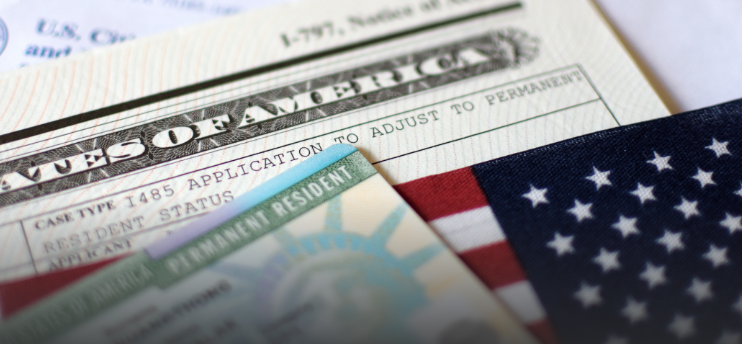
However, any voter can avoid bringing more documentation as long as they bring one of the following items: a Real ID that indicates citizenship, a valid US passport, a US military identification card with a US military record of service, or a government-issued photo identification card that indicates citizenship. But, according to a 2024 article by Brennan Center For Justice, more than 9% of citizens do not have these documents or proof of citizenship, making them ineligible to vote.
The next stop for the SAVE America Act is the Senate, but it may seem harder to pass due to the filibuster. According to an NBC News article, written by Jane C. Timm and titled “What’s actually in Trump’s voting bill,” the filibuster requires the Senate to have 60 votes to pass a bill, which Republicans may not have to pass the SAVE America Act. President Trump has “vowed not to sign any bills into law until the SAVE America Act is passed,” placing pressure on the Senate to pass it before the midterm elections.