By: Andrea Cortes-Espitia
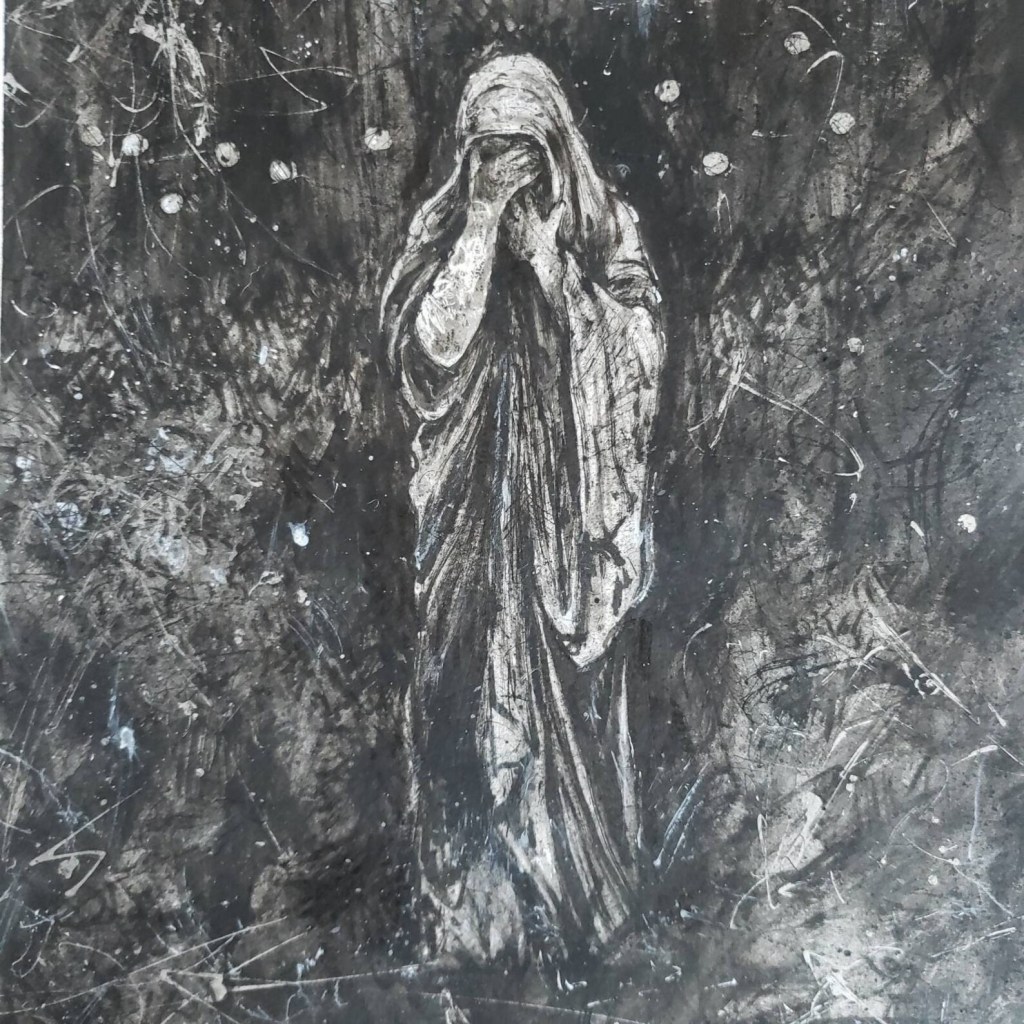
In Mexican and Hispanic households, children are often told the folktale of La Llorona. Parents tell their children to be cautious of dark places or rivers, to prevent La Llorona from taking the children. Therefore, most children cling to the story of La Llorona and become wary of a possible appearance at night.
According to History Colorado’s 2024 interview with Adele Aguilar, “The Legend of La Llorona”, the story of La Llorona is a Hispanic tale that transcends across the Mexican Southwest. Generations upon generations have different variations of La Llorona’s story.
La Llorona is most commonly known as a woman who married a wealthy man and had approximately two or three children within her marriage. However, when she finds her unfaithful husband with another woman, La Llorona drowns all her children in the river in a fit of jealous rage. It could be presumed that this was the only outlet that La Llorona had at the time, since divorce is frowned upon in Mexico, especially in the past. After murdering her children, she cried hysterically for them until the day she died.
Some versions of the story follow La Llorona’s death after her children were drowned. The trait that always follows throughout the story is La Llorona’s white dress or sleeping gown that she wore on the night she drowned her children.
The story originates in Mexican and Latino households, and has spread to families living in the United States, with La Llorona, in white, haunting the streets to find her children. Wherever she is, if you hear a woman weeping for her children at night, then you might have encountered La Llorona.
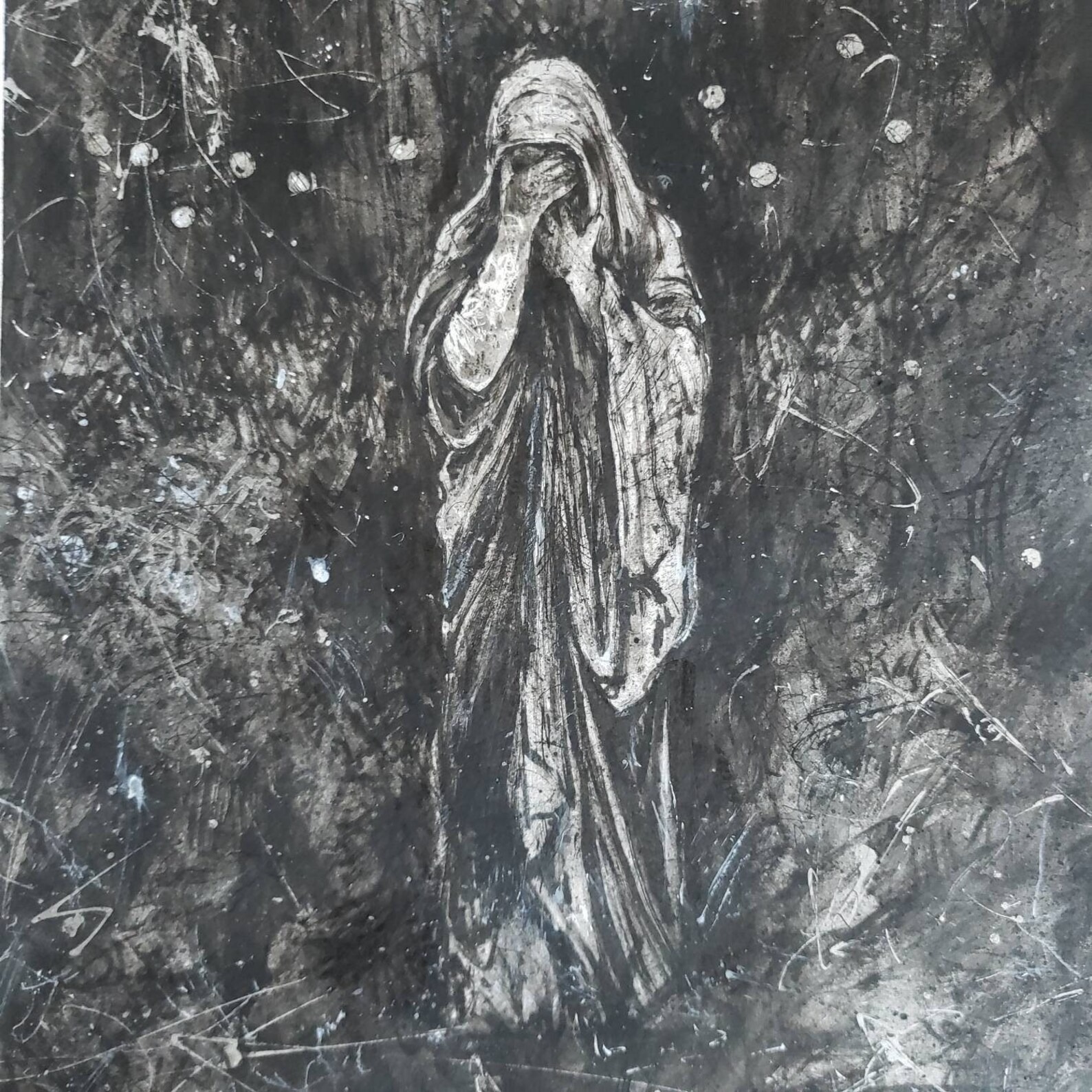
A watercolor illustration of La Llorona provided by artist Sarah Elizabeth Felder
 The Salemite- Salem College's Newspaper
Leave a comment